
Asthma is a condition that affects millions of people around the world. It can make breathing difficult, and during an asthma attack, airways become narrow and inflamed. Fortunately, there are various types of asthma medicines available that can help manage symptoms and open airways. In this blog, we will dive into how these medications work, the different types of asthma inhaler medicines, and how to choose the best asthma medicine for you. If you want to explore effective asthma treatments, check out All Day Night Chemist, where you can find a wide selection of asthma medications.
Understanding Asthma
Asthma is a chronic condition that affects the airways in your lungs. When you have asthma, your airways become inflamed and overly sensitive to certain triggers, leading to symptoms such as:
- Wheezing
- Coughing
- Shortness of breath
- Chest tightness
These symptoms can be triggered by various factors, including allergens, exercise, cold air, smoke, and stress. During an asthma attack, the muscles around the airways tighten, leading to decreased airflow and difficulty breathing. That’s where asthma medicines come in.
The Role of Asthma Medicines
Asthma medicines work by:
- Reducing Inflammation: They help to calm the inflammation in the airways.
- Relaxing Airway Muscles: They help the muscles around the airways to relax, making it easier to breathe.
- Opening Airways: By doing both of the above, these medications increase airflow and make breathing easier.
Let’s explore the two main categories of asthma medicines—relievers (also known as rescue medications) and controllers (preventive medications).
- Reliever Medicines (Rescue Inhalers)
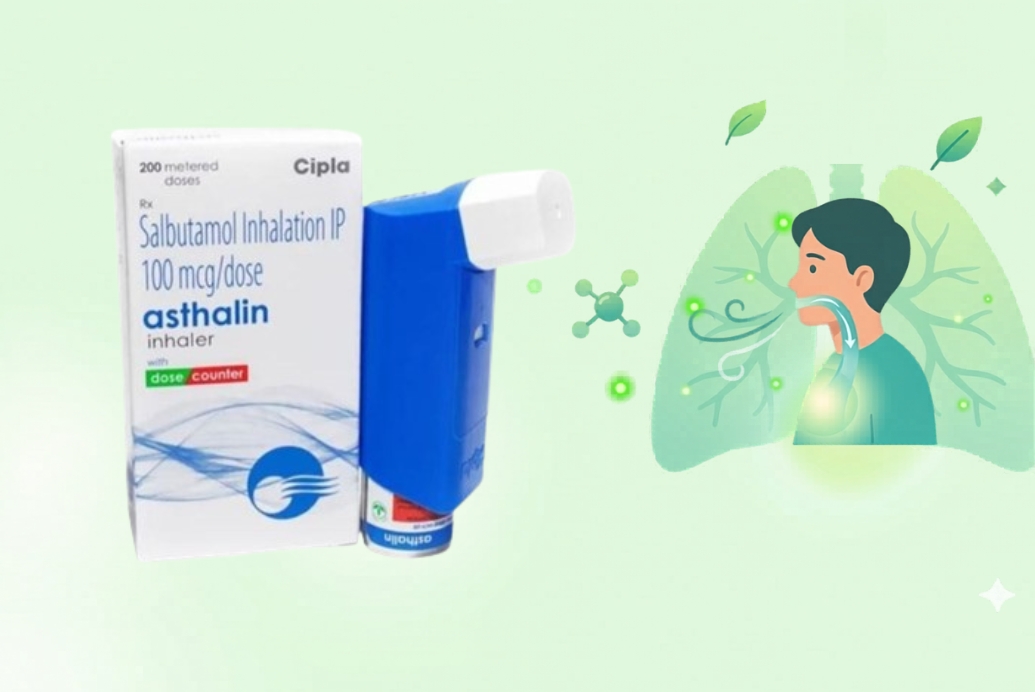
Reliever medicines are used for immediate relief from asthma symptoms. They are often referred to as rescue inhalers or quick-relief medications. These types of asthma inhaler medicines are vital for people who experience sudden asthma attacks.
- How Reliever Medicines Work
Reliever medicines mainly contain short-acting beta-agonists (SABAs). When you use a reliever inhaler, the medication quickly acts on the beta-adrenergic receptors in the airway muscles. This action helps to relax and open the airways, providing fast relief from tightness and difficulty breathing.
- Common Reliever Medicines
- Albuterol (ProAir, Ventolin): This is one of the most common SABA medications. It typically starts working within minutes and lasts for a few hours. It’s essential to always carry your reliever inhaler, especially if you know you might encounter triggers.
- Levalbuterol (Xopenex): Similar to albuterol, this medication works quickly to relieve asthma symptoms but may have fewer side effects for some people.
When to Use Reliever Medicines
Reliever medicines should be used when you experience asthma symptoms or before engaging in activities that may trigger an attack. Knowing how to use your reliever inhaler correctly is crucial for getting the best results. It should not be used regularly; if you find yourself needing it more than twice a week, consult your healthcare provider.
- Controller Medicines (Preventive Inhalers)
Controller medicines are designed to be taken on a regular basis to manage and prevent asthma symptoms. They work over a longer period to reduce inflammation, making them effective for daily use. These medicines are essential for controlling chronic asthma and preventing attacks.
How Controller Medicines Work
Controller medicines typically contain corticosteroids or long-acting beta-agonists (LABAs). These medications target the root causes of asthma by:
- Reducing Inflammation: Corticosteroids help to lower the inflammation in the airways, which decreases the likelihood of asthma attacks.
- Relaxing Airway Muscles: LABAs, taken in combination with corticosteroids, help to keep the airways open for an extended period.
Common Controller Medicines
- Fluticasone (Flovent): A corticosteroid that helps reduce inflammation and is taken daily for long-term management. It may take a few days to feel the full effects.
- Salmeterol (Serevent): A LABA that is often combined with a corticosteroid, such as in Advair, to provide both immediate and long-term relief from asthma symptoms.
- Budesonide (Pulmicort): Another corticosteroid that effectively reduces inflammation. This medication is often delivered via a nebulizer for children or individuals who find inhalers challenging to use.
When to Use Controller Medicines
Controller medicines should be taken every day, even when you feel fine. They are not designed to provide immediate relief but are essential for maintaining control over your asthma and preventing attacks.
The Importance of Proper Usage
Using asthma medications correctly is crucial for effectiveness. Each medication comes with specific instructions, so it is essential to read the label and follow your healthcare provider’s recommendations. Here are some quick tips:
- Use Your Inhaler Correctly: Make sure you know how to use your inhaler properly. Poor technique can result in less medicine reaching your lungs.
- Keep Regular Check-Ups: Regular visits to your healthcare provider can help monitor your asthma and adjust your medication as needed.
- Understand Your Triggers: By recognizing what triggers your asthma, you can take proactive steps to avoid them and better manage your condition.
- Have an Asthma Action Plan: Working with your healthcare provider to create an asthma action plan can help you understand what to do in case symptoms worsen.
Signs You May Need Different Medication
Knowing when to seek help is essential for managing asthma effectively. Here are some signs that you may need a change in your asthma medicine:
- Increased Use of Reliever Inhaler: If you find yourself using your reliever inhaler more than twice a week, it’s time to consult your doctor.
- Worsening Symptoms: If you frequently experience shortness of breath, chest tightness, or wheezing, you may need to review your medication plan.
- Difficulty Sleeping: If asthma symptoms wake you up at night, it indicates that your current treatment may not be effective enough.
Natural Approaches to Managing Asthma
In addition to conventional asthma medicines, consider some natural approaches to help manage your asthma:
- Stay Hydrated
Drinking plenty of water helps keep your airways moist, which can reduce irritation and inflammation.
- Avoid Triggers
Identify and minimize exposure to known allergens and irritants. Common asthma triggers include smoke, pollen, strong odors, and pet dander.
- Maintain a Healthy Lifestyle
Eating a balanced diet, exercising regularly, and managing stress can help improve your overall respiratory health.
- Use Humidifiers
Using a humidifier can add moisture to the air, which may help you breathe easier, especially in dry conditions.
Where to Buy Asthma Medicines
For effective asthma management, it’s important to use quality medications. All Day Night Chemist Online Pharmacy offers a variety of asthma inhaler medicines and treatments tailored to your needs. With a convenient online shopping experience, you can easily find the best asthma medicine for your condition.
Conclusion
Understanding how asthma medicines work to open airways is key to managing your asthma effectively. From reliever inhalers that provide quick relief to controller medications that reduce inflammation, having the right tools at your disposal can make a significant difference in your everyday life. Be proactive in managing your asthma, and make sure to consult with your healthcare provider to tailor a treatment plan that’s right for you. For a range of effective asthma medicines, visit [All Day Night Chemist] and take the next step toward better breath and better living. Remember, with the proper management, individuals with asthma can lead active, fulfilling lives.