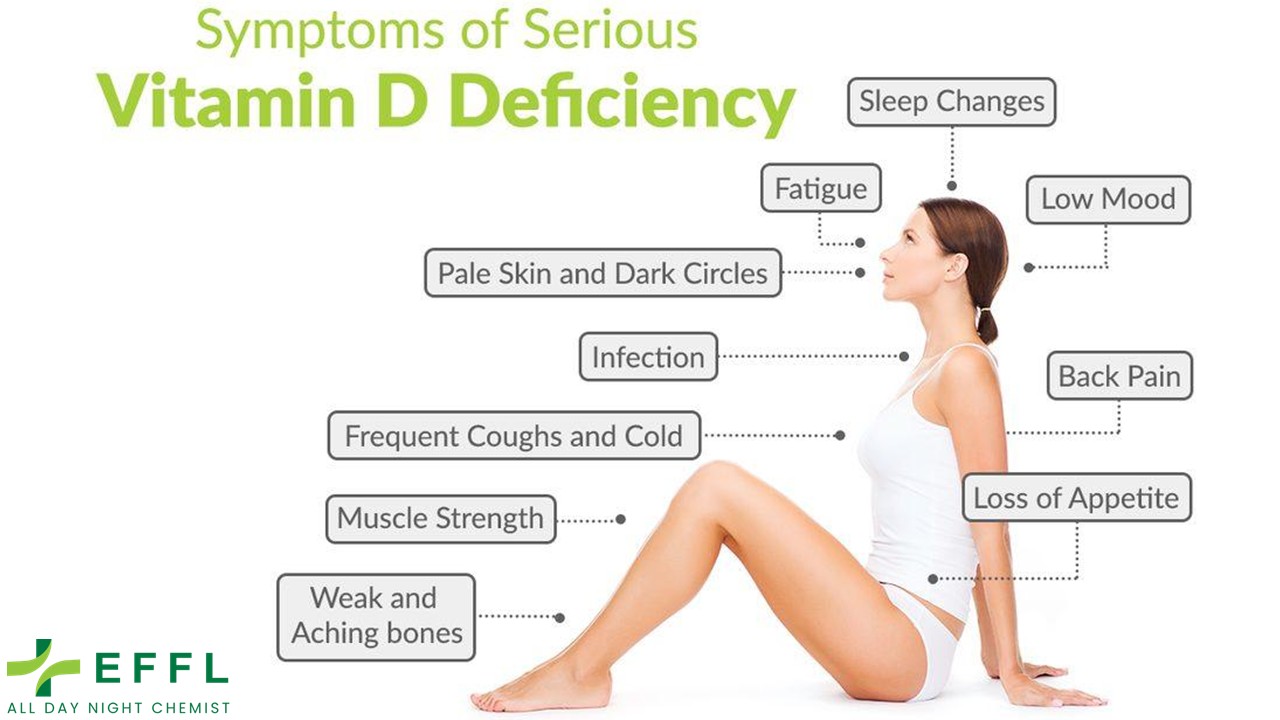
Getting an adequate amount of Vitamin D is important to maintain the proper functioning of our body. Vitamin D assists in keeping our bones strong and helps in preventing some forms of cancer. Vitamin D deficiency can cause pain, muscle weakness, depression, and fatigue. To treat vitamin D deficiency, you need to take vitamin D tablets and vitamin D rich foods.
What is Vitamin D?
Vitamin D is important for various reasons that include maintaining healthy teeth and bones and protecting against various diseases like cancers, type 1 diabetes. Contrary to the name, vitamin D is a prohormone. Vitamins are nutrients that our body cannot create, but the body can produce vitamin D.
Vitamin D2 and Vitamin D3: Know the Difference
Scientifically, D3 is known as ergocalciferol, and D3 is referred to as cholecalciferol. The primary difference between the two is that vitamin D2 is derived from plants while D3 is derived from animals. Food that is enriched in vitamin D2 includes orange juice, cereals, dairy and plant milk, etc. People who are suffering from vitamin D3 deficiency should consume trout, cod liver oil, salmon, etc.
Importance of Vitamin D
Before we understand more about vitamin D deficiency, let’s understand the core function of vitamin D.
1. Absorbing Calcium
Vitamin D, together with calcium, assists in building bones and keeping bones healthy and strong. Vitamin D is taken either from vitamin D tablets, or sun exposure is converted into active vitamin form. The active form of vitamin promotes maximum absorption of calcium.
2. Maintaining the Bone Strength
Healthy bones protect you from various health conditions. You need vitamin D so that phosphorus and calcium can be utilized to build bones.
3. Vitamin D Work with Parathyroid Glands
Parathyroid glands act to balance the calcium in your blood by communicating with the gut, skeleton, and gut. When there is adequate calcium and active vitamin D in your diet, dietary calcium is absorbed and used properly throughout the body.
How Much Vitamin D Do You Need?
Lack of vitamin D can cause many health issues; therefore, it is important to maintain an adequate level of the same. Based on the individuals, vitamin D levels tend to vary. Here is the average daily recommended amount of vitamin D individuals should consume:
| Stage of Life | Recommended Amount |
| Birth to 12 months | 10 mcg or 400 IU |
| Children between 1 and 3 years | 15 mcg or 600 IU |
| Teens between 14 and 18 years | 15 mcg or 600 IU |
| Adults between 19 and 70 years | 15 mcg or 600 IU |
| Adults from 71 years and above | 20 mcg or 800 IU |
| Pregnant and breastfeeding women | 15 mcg or 600 IU |
How to Improve Vitamin D Deficiency?
Taking vitamin D tablets, consuming vitamin D rich foods, etc., are some of the ways you improve vitamin D deficiency. Below we go into details of how to improve vitamin D deficiency:
1. Spend Adequate Time in The Sunlight
2. Consume Fatty Fish and Seafood
3. Mushrooms
4. Egg Yolks
5. Take Vitamin D Supplements