Introduction
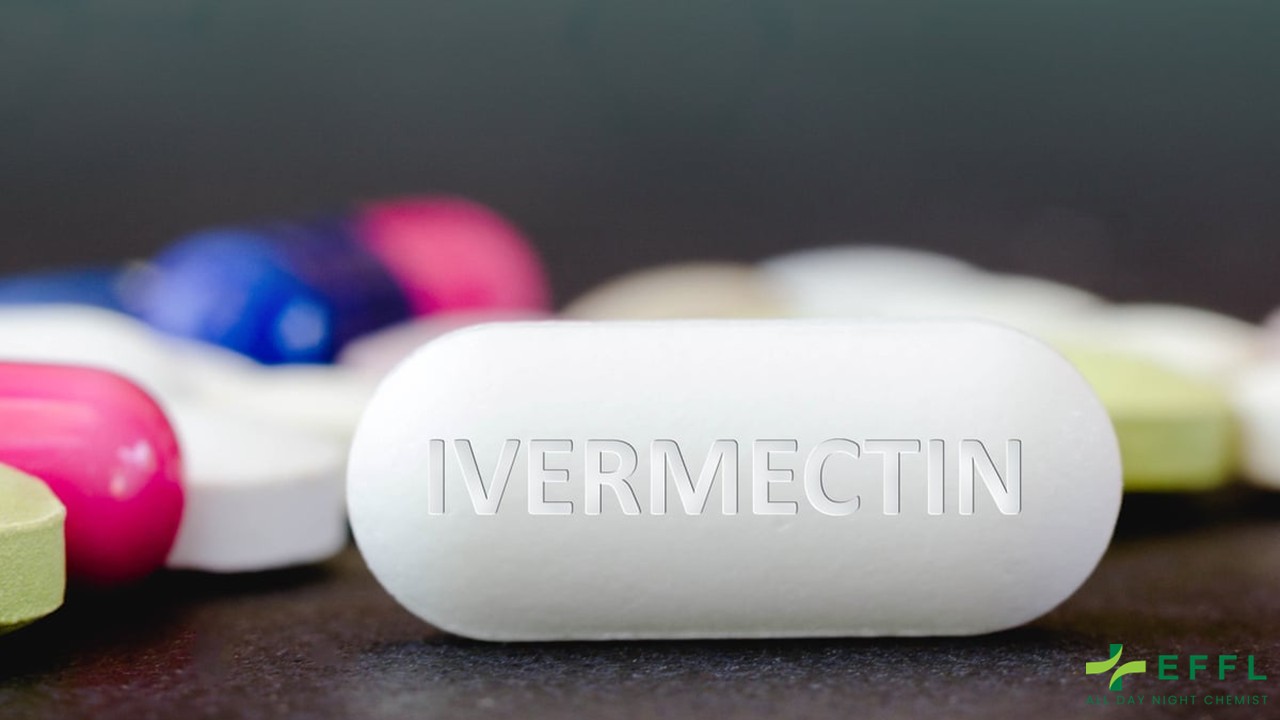
Ivermectin has been a subject of much discussion in recent years, particularly in the context of global health. Originally developed as an anti-parasitic medication, ivermectin has a long history of use in both human and veterinary medicine. This blog aims to provide an objective and comprehensive overview of ivermectin, highlighting its approved uses, benefits, safety profile, and recent controversies.
What is Ivermectin?
Ivermectin is a medication that was first introduced in the late 1970s and quickly gained prominence for its effectiveness against a variety of parasitic infections. It belongs to a class of drugs known as antihelmintics, which are used to treat infections caused by worms and other parasites. Ivermectin works by paralysing and killing parasites, thereby aiding in their removal from the body.
Approved Uses of Ivermectin
- Onchocerciasis (River Blindness): Ivermectin is widely used to treat and prevent river blindness, a disease caused by a parasitic worm transmitted through the bite of blackflies, especially in parts of Africa, Latin America, and Asia.
- Lymphatic Filariasis: It is also effective in controlling lymphatic filariasis, another worm-borne disease that causes severe swelling and disability.
- Scabies and Other Skin Conditions: Ivermectin is prescribed for the treatment of scabies, a skin infestation caused by mites, and sometimes for head lice and other parasitic skin disorders.
- Veterinary Applications: The drug is used extensively to treat parasites in animals, including cattle, horses, and pets.
How is Ivermectin Used?
Ivermectin is usually administered orally in tablet form for humans, though topical formulations are also available for certain skin conditions. The dosage and duration depend on the condition being treated and the patient’s weight and overall health. For veterinary use, it may come as tablets, injectable solutions, or topical treatments.
Is Ivermectin dosage for humans safe and effective? and Side Effects
When used as prescribed for approved conditions, ivermectin is generally considered safe. Common side effects might include mild symptoms such as dizziness, nausea, diarrhoea, or rashes. More severe reactions are rare but can include allergic responses or effects on the nervous system. It is important for patients to follow the doctor’s advice and not self-medicate, especially with veterinary formulations meant for animals.
Ivermectin tablets can occasionally cause side effects, though they are generally uncommon. Some people may experience symptoms like headache, dizziness, muscle aches, nausea, or diarrhea.
For individuals being treated for onchocerciasis, additional reactions may appear during the first few days of therapy. These can include joint discomfort, tiredness, skin itching or rashes, swollen lymph nodes, vision disturbances, or redness and swelling of the eyes, along with mild fever.
In most cases, these reactions are temporary and tend to improve as the body adapts to the medication. However, if any symptom becomes bothersome or does not go away, it’s important to contact your doctor promptly for guidance.
Recent Controversies and Misuse
During the COVID-19 pandemic, ivermectin gained attention as a potential treatment for the novel coronavirus. However, major health authorities including the World Health Organization (WHO) and the Indian Council of Medical Research (ICMR) have stated that there is not enough evidence to support the use of ivermectin for COVID-19 outside of clinical trials. Self-medication and misuse of ivermectin, particularly with doses intended for animals, have led to cases of toxicity and hospitalisation. It is therefore crucial to use the drug only as directed by healthcare professionals.
Conclusion
Ivermectin remains a vital medication in the fight against parasitic diseases, particularly in regions where such illnesses are prevalent. While its benefits for approved uses are well established, it is essential to avoid misuse and to seek medical guidance before using the drug for any off-label purposes. Public awareness and responsible use will ensure that ivermectin continues to save lives without causing harm.
Disclaimer
This blog is for informational purposes only and should not be considered medical advice. Always consult a qualified healthcare provider for diagnosis and treatment options.