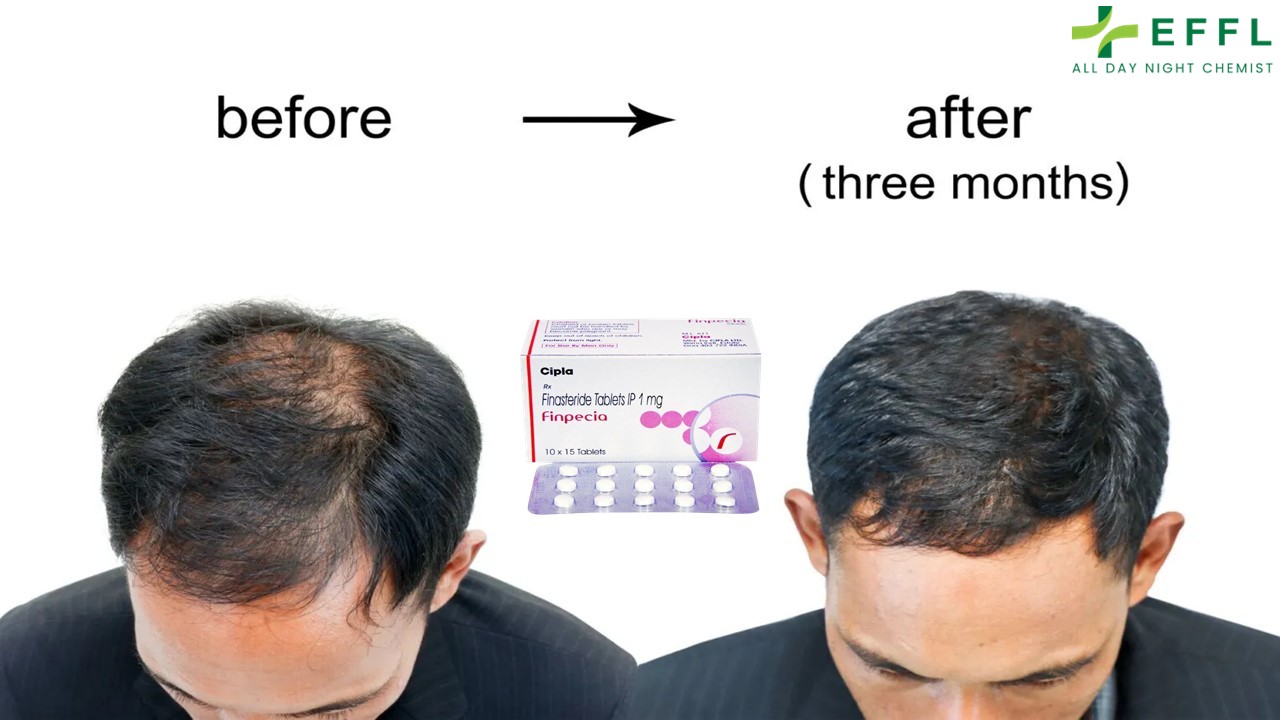
Finpecia 1 mg (Finasteride) is a widely used medication designed to treat male pattern hair loss (androgenetic alopecia). This FDA-approved pill contains Finasteride, which works by inhibiting the enzyme 5α-reductase, responsible for converting testosterone into dihydrotestosterone (DHT). DHT is the key hormone behind hair follicle shrinkage, leading to hair thinning and eventual baldness in men. By reducing DHT levels by 60-70%, Finpecia prevents further hair loss and, in many cases, promotes hair regrowth. While it does not reverse the hair loss that has already occurred, it effectively halts ongoing thinning and stimulates new growth over time. Most users start noticing improvements within three months of daily use, though consistent use is essential to maintain results. If you stop the medication, hair loss will typically return within a year. Finpecia is generally well-tolerated, with side effects being rare—occurring in fewer than 2% of users. The most commonly reported side effects are related to sexual function, such as decreased libido or difficulty achieving an erection, but these issues are not significant enough to affect its prescription. Though effective for long-term use, it’s important to remember that Finpecia can only treat genetic hair loss and will not work for everyone. If necessary, dermatologists may combine Finasteride with other treatments like Minoxidil for enhanced results. Ultimately, Finpecia 1 mg offers an effective and clinically proven way to address male pattern baldness, but continued use is necessary to sustain its benefits.
Benefits of Finpecia 1 mg (Finasteride)
- Highly Effective for Hair Loss:
Finpecia 1 mg is considered one of the most effective medications available for treating male pattern hair loss. Its active ingredient, Finasteride, directly addresses the root cause of androgenetic alopecia, which is the primary form of hair loss in men. By reducing the levels of DHT (dihydrotestosterone), it prevents further hair thinning and helps maintain existing hair. - Promotes Hair Growth and Improves Hair Quality:
Finasteride encourages hair follicles to enter the anagen phase of growth, which is the active hair growth stage. This results in thicker, healthier hair and a noticeable improvement in hair density. Over time, users may observe visible hair growth and an overall improvement in hair texture and quality. - Clinically Proven Safety for Long-Term Use:
Extensive clinical studies have shown that Finpecia 1 mg is both safe and effective for long-term use. When taken as directed, it has a low incidence of side effects, making it a trusted option for treating male pattern baldness over extended periods. - Safe and Effective for Male Pattern Baldness:
Finpecia 1 mg is highly effective when used as prescribed by a healthcare professional. Whether following a dermatologist’s advice or adhering to the guidelines on the patient information leaflet, users can expect optimal results. It’s always advisable to consult with a dermatologist before starting or continuing treatment to ensure that it is the best option based on individual needs and medical history.
Can Finasteride Regrow Hair?
Finasteride 1 mg (Finpecia) is highly effective in preventing further hair loss, but it does not have the ability to regrow hair that has already been lost. The primary function of Finasteride is to inhibit the production of dihydrotestosterone (DHT), a hormone responsible for shrinking hair follicles and causing male pattern baldness. By lowering DHT levels, Finasteride helps slow the progression of hair loss and, in many cases, stimulates new hair growth in areas where thinning has occurred.
Research studies have shown that Finasteride can significantly reduce hair loss and promote hair regrowth in many men with male-pattern baldness. However, the visible benefits usually take time, with noticeable results typically appearing after three months or more of consistent use. For optimal results, continued use is essential, as stopping the medication will reverse the effects, often within 12 months.
It’s important to understand that the extent of hair regrowth can vary from person to person, depending on factors like age, severity of hair loss, and the location of the hair loss on the scalp. Finasteride is most effective in preventing further hair thinning and promoting regrowth in areas where hair follicles are still active but weakened.
If Finasteride alone does not provide sufficient results for you, a dermatologist may suggest combining it with Minoxidil, another well-known hair loss treatment, to enhance hair regrowth. However, the key to success with Finasteride lies in consistent use and regular follow-ups with a healthcare professional to track progress.
Side Effects of Finasteride 1 mg (Finpecia)
Like any medication, Finasteride 1 mg (Finpecia) can cause side effects, though they are rare and typically affect fewer than 2% of users. Most people tolerate the medication well, but it’s important to be aware of potential risks, particularly if you notice any changes in your health. Finasteride primarily works by reducing DHT levels, which can have an impact on various bodily functions, including sexual health.
The most commonly reported side effects are related to sexual function, which may include:
- Decreased libido (reduced sexual desire)
- Difficulty achieving or maintaining an erection
- Ejaculation problems, such as a decrease in the amount of semen released
Although these side effects are uncommon, they can be concerning for some individuals. It’s worth noting that sexual side effects tend to be temporary for most users and may resolve after discontinuing the medication. In fact, many men who experience these issues find that their symptoms improve once the body adjusts to the treatment or after stopping it entirely.
Finasteride 1 mg is considered safe for long-term use in most men when prescribed by a doctor, and sexual side effects should not generally impact the prescribing decision unless they are significant or persistent. If you experience any side effects, particularly those affecting sexual function, it’s important to consult a dermatologist or healthcare provider. They can help assess whether the treatment should be continued, adjusted, or combined with other therapies.
If you are considering stopping the medication or have concerns about side effects, always consult with your doctor. Abruptly discontinuing treatment can lead to the reversal of its positive effects within a year, and your doctor will be able to provide guidance on the best course of action.
Can You Stop the Hair Loss Treatment Once You Achieve the Desired Effects?
Male pattern hair loss, also known as androgenetic alopecia, is primarily caused by genetics and hormonal changes, meaning it cannot be permanently prevented or cured. While Finpecia 1 mg (Finasteride) can effectively slow down hair loss and even promote hair regrowth during its use, stopping the treatment after achieving the desired results will likely lead to the reversal of those effects.